COming Soon
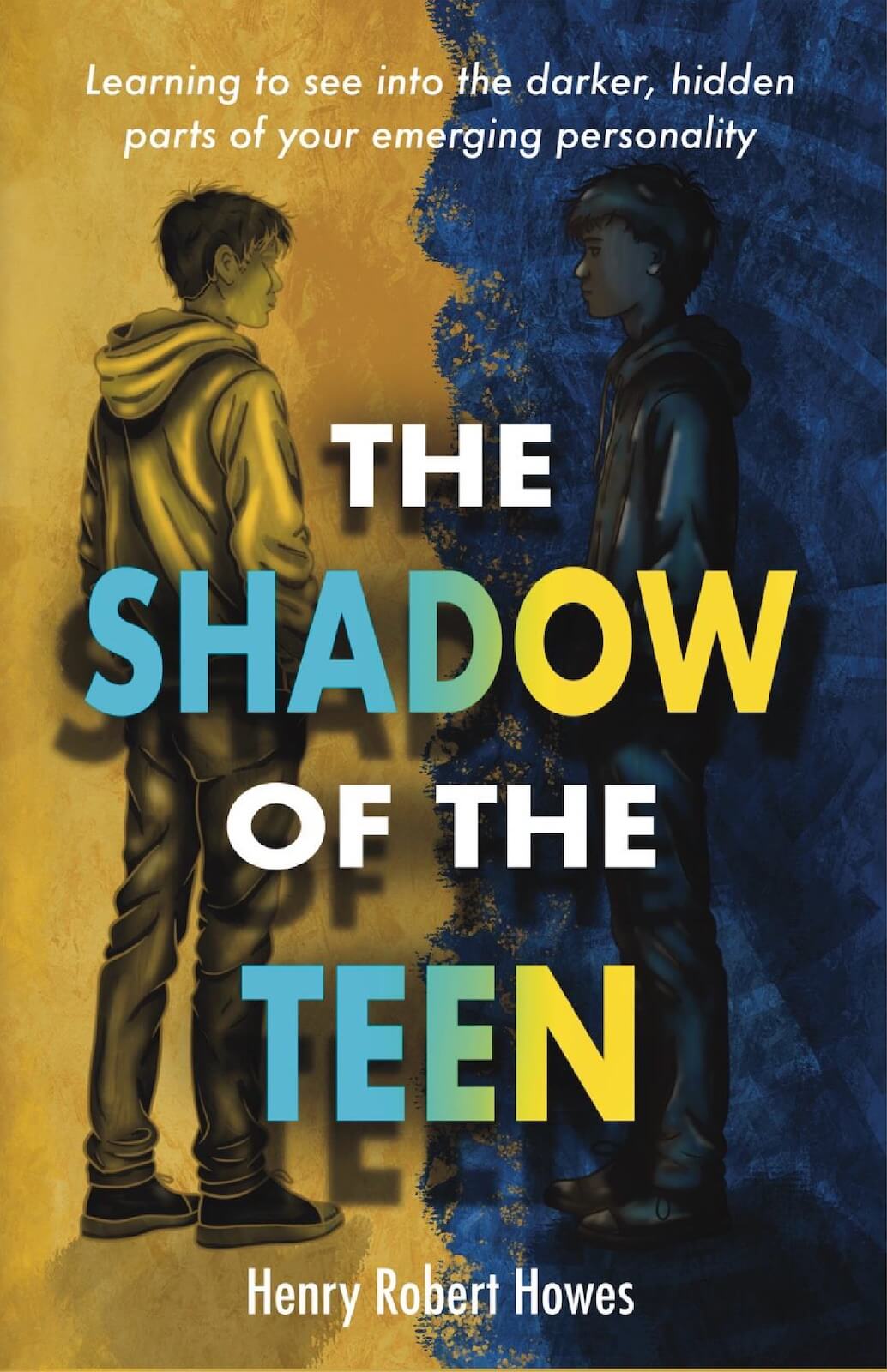
The Shadow of the Teen
A Guidebook for the Maze of Growing Up
There's a moment in every teenager's life that nobody quite prepares them for. It's not the moment your voice cracks, or your body changes, or you get your first spot. It's the moment you catch yourself feeling something you don't recognise - a flash of rage at a friend, a wave of shame in the mirror, a jealousy you can't explain, a sadness with no obvious cause - and you quietly wonder: what is wrong with me?
Nothing is wrong with you. You've just met your shadow.
The Shadow of the Teen is a book written to be read by teenagers - not lectured at them. Drawing on the psychologist Carl Jung's discovery of the "shadow" (the parts of ourselves we hide, deny, or push away), it gives young readers a name for the confusing, sometimes overwhelming feelings that arrive with adolescence, and - more importantly - a way to work with those feelings instead of being ambushed by them.
A Map, Not a Lecture
The book opens with the story of the dream that led Jung to his discovery: walking alone through a dark forest, he sensed something following him - and the faster he ran, the larger it grew. It was only on waking that he understood: the closer you hold the light to yourself in fear, the bigger your own shadow becomes. That single image becomes the thread that runs through the whole book - the idea that the things we run from don't disappear. They grow. And the way through is not to run faster, but to turn around.
From there, the book invites teenagers into an extended metaphor that will feel instantly familiar to anyone who's ever played a video game, read a fantasy novel, or watched a hero's journey unfold on screen: life as a maze, with the shadow lurking in its darker corridors. Chapter by chapter, it walks the reader through:
- Meeting the shadow - what it is, why it shows up exactly now, and why every single adult who has ever lived has one too
- The masks we wear - the personas teenagers build to survive school, friendship groups, and family expectations, and what it costs to keep them on.
- Shadow traps - the sneaky ways avoidance, comparison, and self-judgment pull people deeper into the maze
- Friends in the maze - why no hero, real or fictional, ever makes it through alone
- The treasure in the dark - the argument, backed by real examples, that creativity, compassion, courage, and authenticity are often forged in exactly the places we most want to avoid
- Making peace with your shadow - not defeating it, not being ruled by it, but learning to walk alongside it.
Later chapters gather real (anonymised) stories from teenagers who have faced their own shadows, alongside a look at how some of literature and cinema's most beloved characters - from Harry Potter to Miles Morales - have wrestled with theirs.
Honest, Warm, and Never Preachy
What sets this book apart is its voice. Howes writes less like a psychologist delivering a lecture and more like an older friend who's walked the same maze and made it through — someone willing to crack a joke when the moment allows, and to get quietly serious when it matters. There is no shortage of humour and pop-culture nods throughout, but the book never shies away from the hardest topics either: anxiety, depression, self-harm, addiction, and thoughts of suicide are all named directly, without sensationalism and without euphemism, because — as the book itself puts it — naming these things is how a teenager learns they aren't alone, and finds the courage to reach out.
Each chapter closes with a short Mentor's Note — a takeaway, a two-minute action, and a gentle nudge toward a real conversation with a trusted adult. The book is explicit and consistent on one point: it is a companion for the journey, not a replacement for the people trained to help carry the heaviest parts of it — parents, teachers, counsellors, and professionals.
Why Parents Will Want Their Teens to Read This — and Read It Too
For parents, The Shadow of the Teen offers something quietly precious: a way to open conversations that are often the hardest to start. It gives language to feelings that teenagers frequently can't yet name themselves, and it does so in a way that feels like an ally rather than an authority figure. Many parents will recognise, in these pages, the very struggles they once faced and never had the words for.
The book is built on Howes's academic research into adolescent psychology, developed over decades — including his years mentoring teenagers as a Scoutmaster — but none of that scholarship ever gets in the way of the story. It's there in the depth and care of the ideas, not in the language used to express them.
A Companion for the Maze
The Shadow of the Teen doesn't promise that adolescence gets easy. It promises something more honest and more useful: that the darkness has a shape, that the maze has an exit, and that no one — not you, not any teenager anywhere — has to find it alone.
As the book puts it: your shadow isn't just holding your monsters. It's guarding your superpowers.
The Shadow of the Teen by Henry Robert Howes is published by Krest Publishers. A companion academic thesis, The Adolescent Shadow: Monsters in the Maze, along with a full Teacher and Parent Guide, are also available.
If you or someone you know is struggling, please reach out to a trusted adult, a counsellor, or a crisis helpline in your country. You don't have to carry it alone.